Cold Tomato Soup
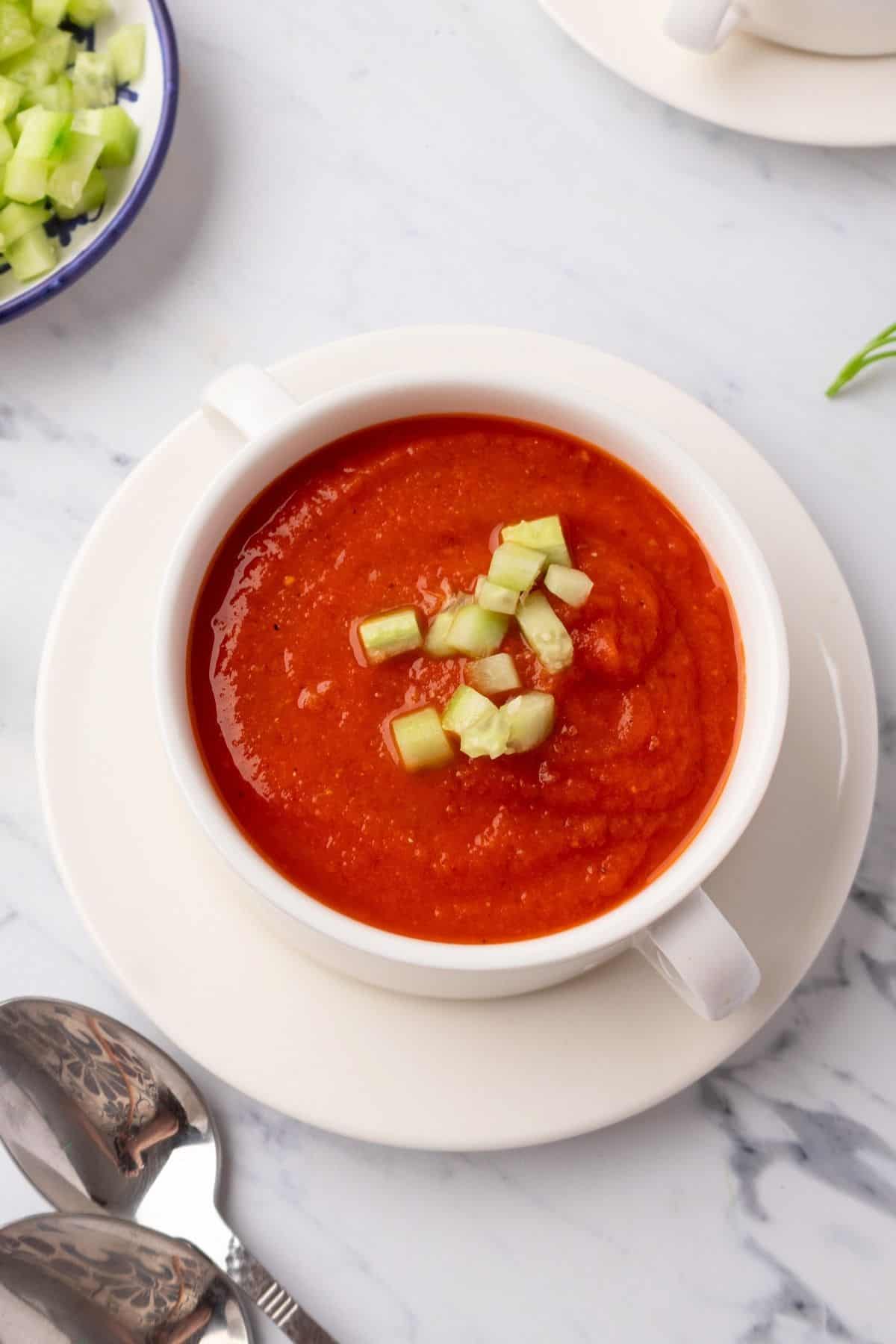
This Cold Tomato Soup is a chilled, blended soup made from tomatoes, and it's a close cousin to gazpacho. Unlike a can of tomato soup served cold, my recipe starts with roasting the tomatoes and veggies on a sheet pan. This step caramelizes the vegetables, making the soup slightly sweeter and giving it a much more complex flavor. It only requires about 10 minutes of active time to make!
Quick Glance: Cold Tomato Soup Recipe
- 😋 Flavor Profile: Sweet, roasted tomato with a bright vinegar tang and a hint of warm cumin to balance the flavors.
- 🕒 Total Time: 10 minutes prep + 55 minutes roasting + 2 hours to chill
- 🥄 Texture: Smooth with a little natural texture, unless you strain it
- 👩🍳 Best For: Hot weather meals, make-ahead lunches, or a light summer appetizer
- 💡 Pro Tip: Let the vegetables cool fully before blending, or the soup will separate instead of coming together smooth
Summarize & Save This Content On
I love soup even when it's super hot outside, y'all. That probably sounds backwards, but hear me out. A big batch of soup stretches whatever you spent at the grocery store across several meals, and this cold tomato soup is no different.
I make a batch on a Sunday, and I've got lunch handled for most of the week, whether that's a cup on my desk or a full bowl with some crusty bread on the side. This one is in regular rotation with this cold cucumber soup, depending on the veggies I have on hand, and what I'm craving.
By the end of summer, when my tomatoes are still coming in, but I've had my fill of caprese salad, this is the recipe I reach for. It's more of a cousin to gazpacho than a traditional tomato soup, and it leans on the same idea as my cucumber gazpacho, just with a roasted twist that changes the whole flavor.
Why This Recipe Works
- Roasting deepens the flavor: Roasting the tomatoes, carrots, peppers, onion, and garlic before blending gives this soup a rounder, slightly deeper flavor that raw gazpacho just doesn't have.
- Carrots balance the acidity: Most cold tomato soups fight tomato acidity with extra vinegar or sugar. The roasted carrots do that job naturally, so the soup tastes balanced instead of sharp.
- No bread, no dairy required: This soup gets its body from the vegetables themselves, so it's naturally gluten-free and dairy-free with nothing to swap out.
Ingredients + Substitutions
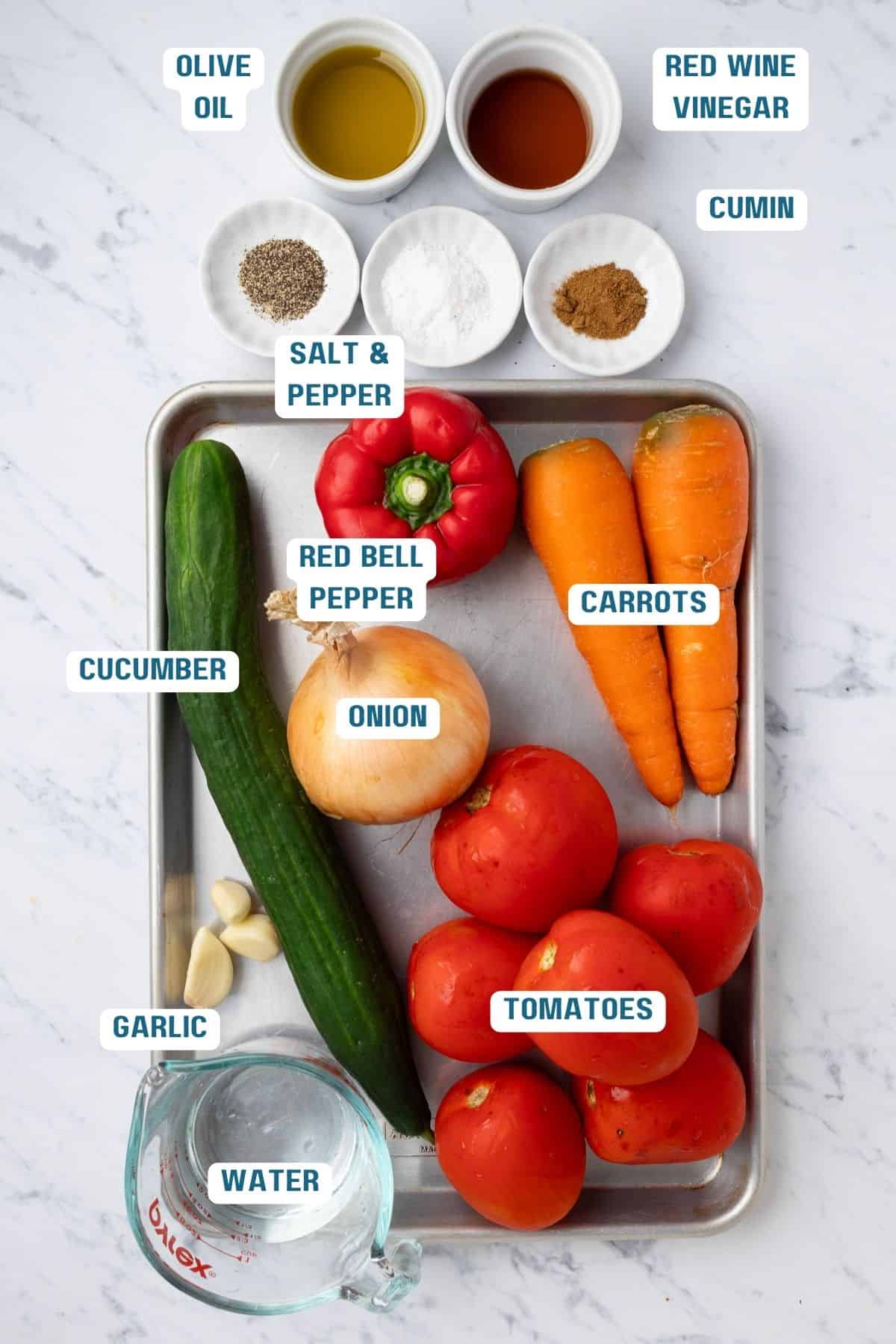
- Roma tomatoes: Roma tomatoes are the best choice since they contain less water and fewer seeds than a slicing tomato like a beefsteak, so when they hit the oven, they roast down instead of turning the pan into a watery mess. That means all that flavor stays concentrated instead of getting diluted once everything goes into the blender. If Romas aren't what you've got on hand, cherry tomatoes make a good stand-in; just keep the total weight about the same.
- Carrots: They add natural sweetness and help balance the acidity, so don't skip them. Chop or slice them small enough to roast tender in the same 45-50 minutes as the tomatoes. If you love carrots, try this creamy carrot soup, where they're the star of the bowl.
- Red bell pepper: Adds sweetness and body to the soup. An orange or yellow pepper will work here too.
- Cucumber: Added raw at the blending stage, not roasted, for a cool freshness that plays off the roasted vegetables. I highly recommend using English cucumbers, which contain less water and fewer seeds. If using a standard cucumber, I recommend removing the seeds before chopping.
- Ground cumin: Just a half teaspoon, enough to add warmth without making the soup taste like a spice blend.
- Red wine vinegar: Brings the brightness a chilled soup needs. Plan to taste and adjust after the soup chills, since cold temperatures mute flavor. Sherry vinegar and white wine vinegar are the easiest swaps. Sherry brings a little more depth while white wine vinegar keeps things lighter and lets the tomatoes shine.
Check the recipe card below for the full ingredient list and quantities of each one.

Recipe Variations
- Spicy: Stir in a pinch of cayenne or red pepper flakes before chilling, or try my spicy tomato gazpacho if you want the heat built in from the start.
- Herb-forward: Blend in a handful of fresh basil, or use it as a garnish for a brighter, herbier bowl.
- Extra creamy: Swirl in a spoonful of plain Greek yogurt just before serving for a richer finish without adding dairy to the base.
- Smoky: Add a small dash of smoked paprika along with the cumin for a deeper, smokier flavor.
🥣 For more veggie-forward soups, try this creamy spinach soup and asparagus potato soup! Both work great either hot or cold.
How to Make Cold Tomato Soup
Don't let the total time scare you off, y'all. Most of it is hands-off roasting, cooling, and chilling, so you're really only active in the kitchen for about 10 minutes. If you want some more soup ideas for hot days, check out these best soups for the summer!
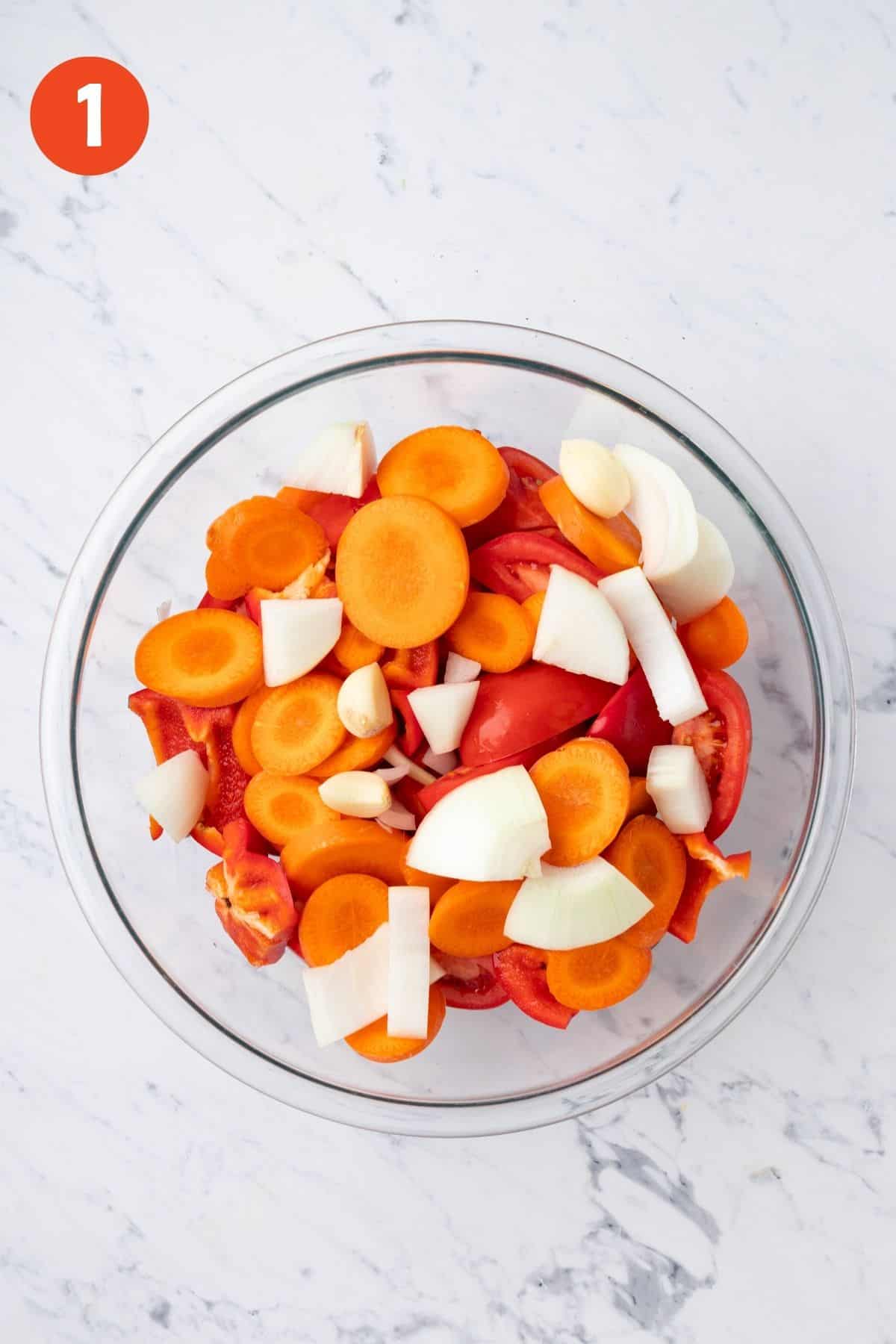
Step 1: Season the Vegetables. Toss the tomatoes, carrots, red bell pepper, onion, and garlic with the olive oil, salt, and pepper.
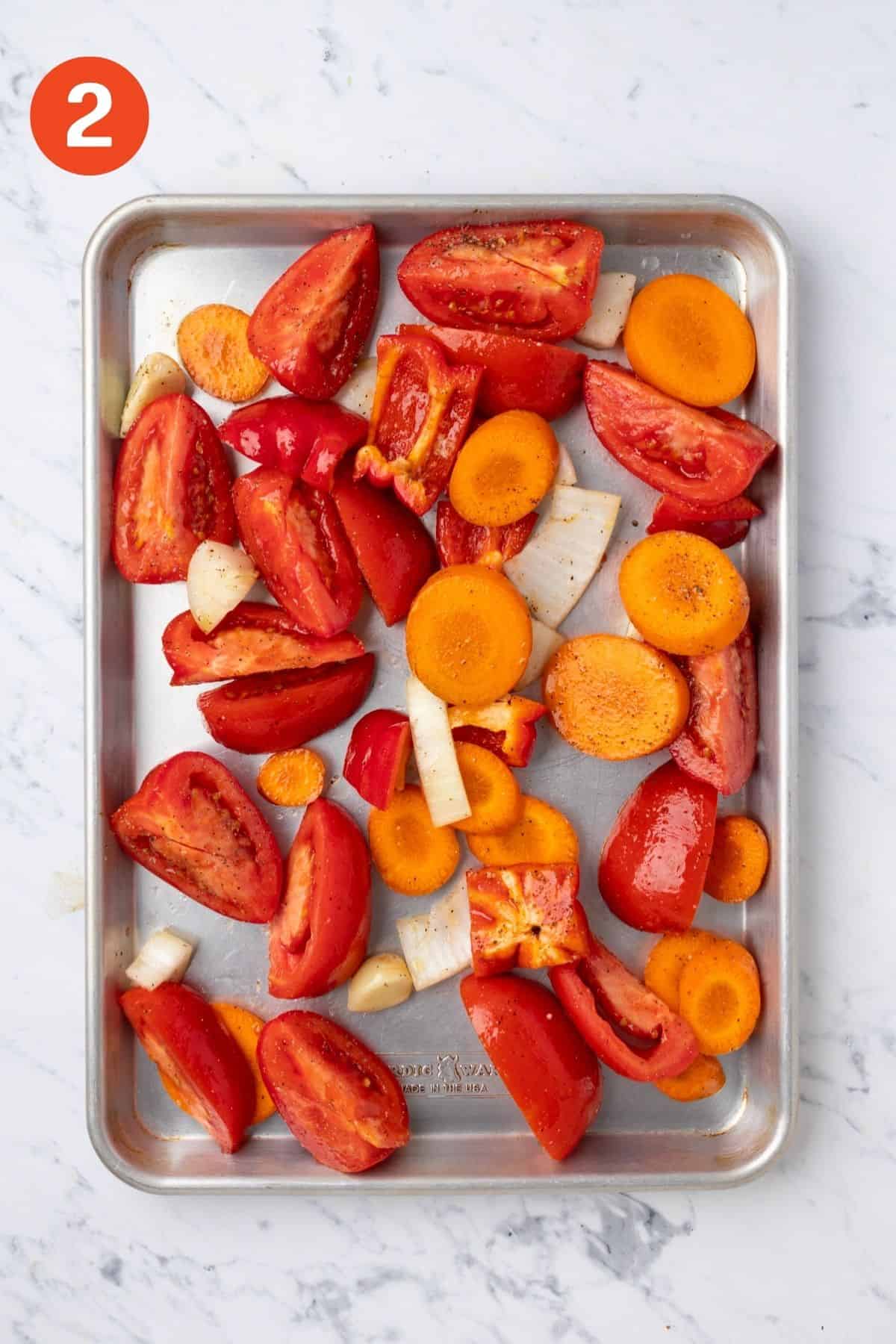
Step 2: Transfer to the Pan. Spread them across two baking sheets. Make sure they have plenty of room on the pan so they roast rather than steam.
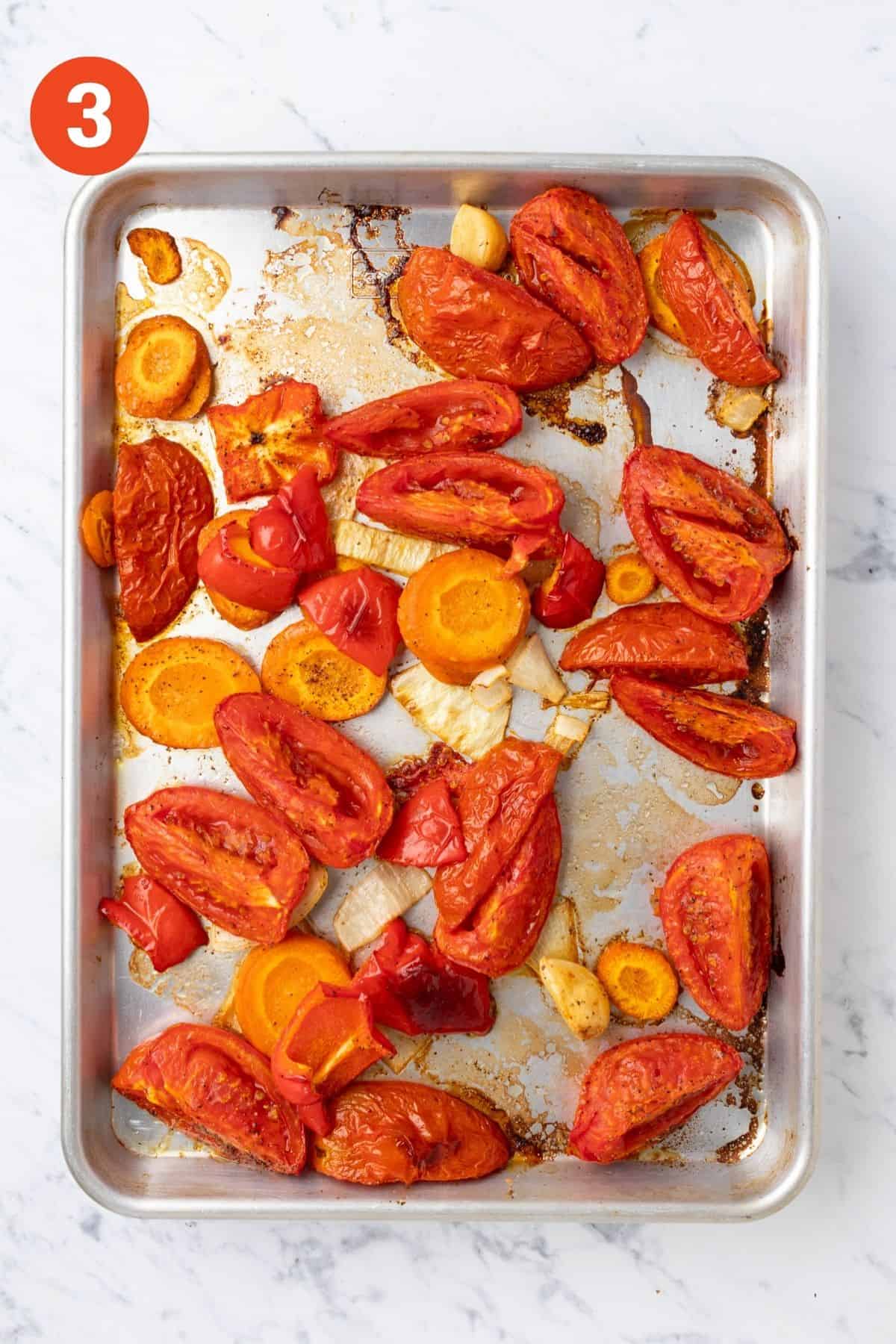
Step 3: Roast. Cook the vegetables at 400°F for 45-50 minutes, stirring halfway through. They're done when the carrots are fork-tender, and the tomatoes are blistered. Cool for 1-2 hours at room temperature or in the refrigerator to speed things up. They need to be cool to the touch before blending, or the soup won't come together smoothly.
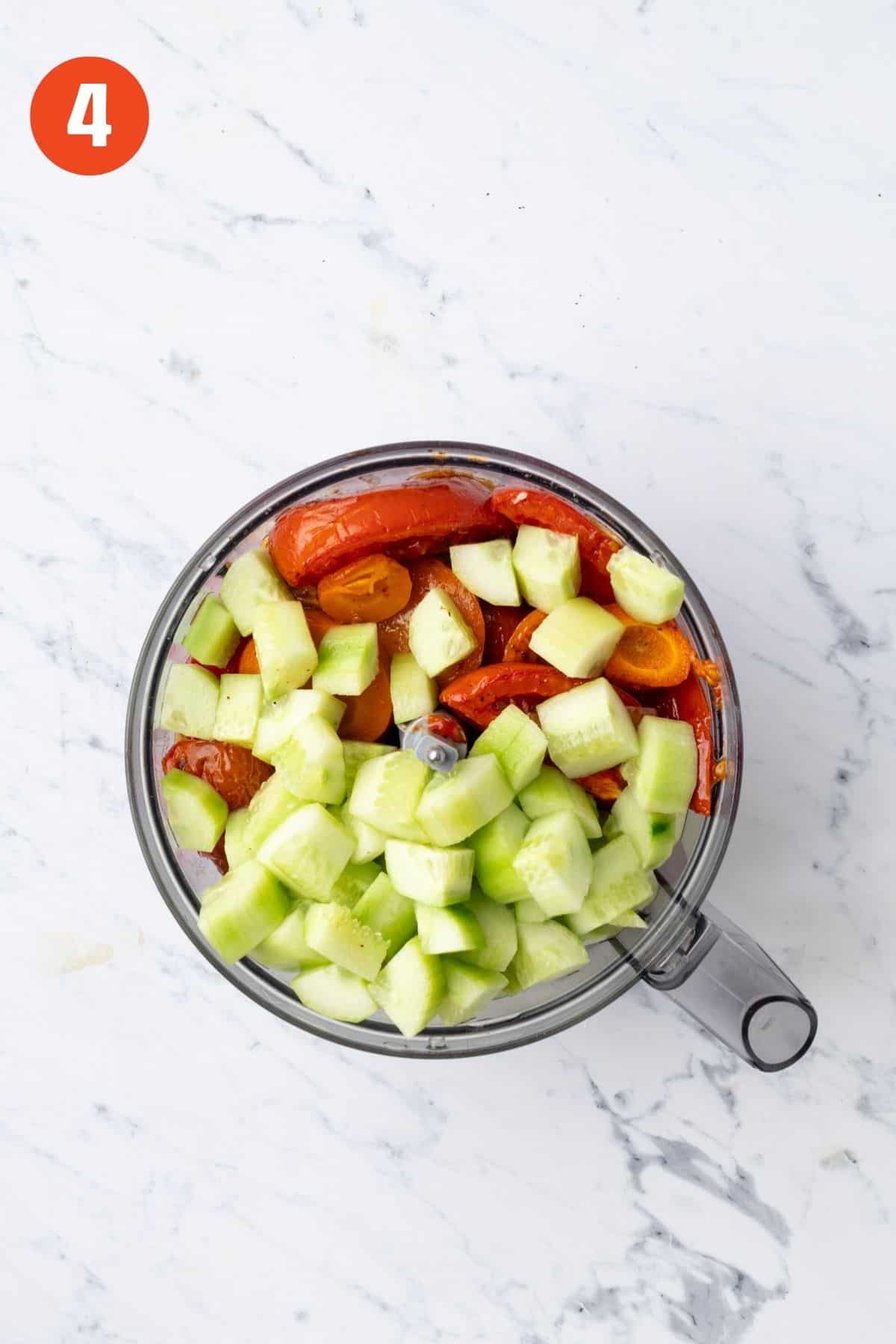
Step 4: Blend. Add the cooled vegetables, cucumber, olive oil, red wine vinegar, and cumin to a high-speed blender or food processor. Blend for 1-2 minutes, until smooth.
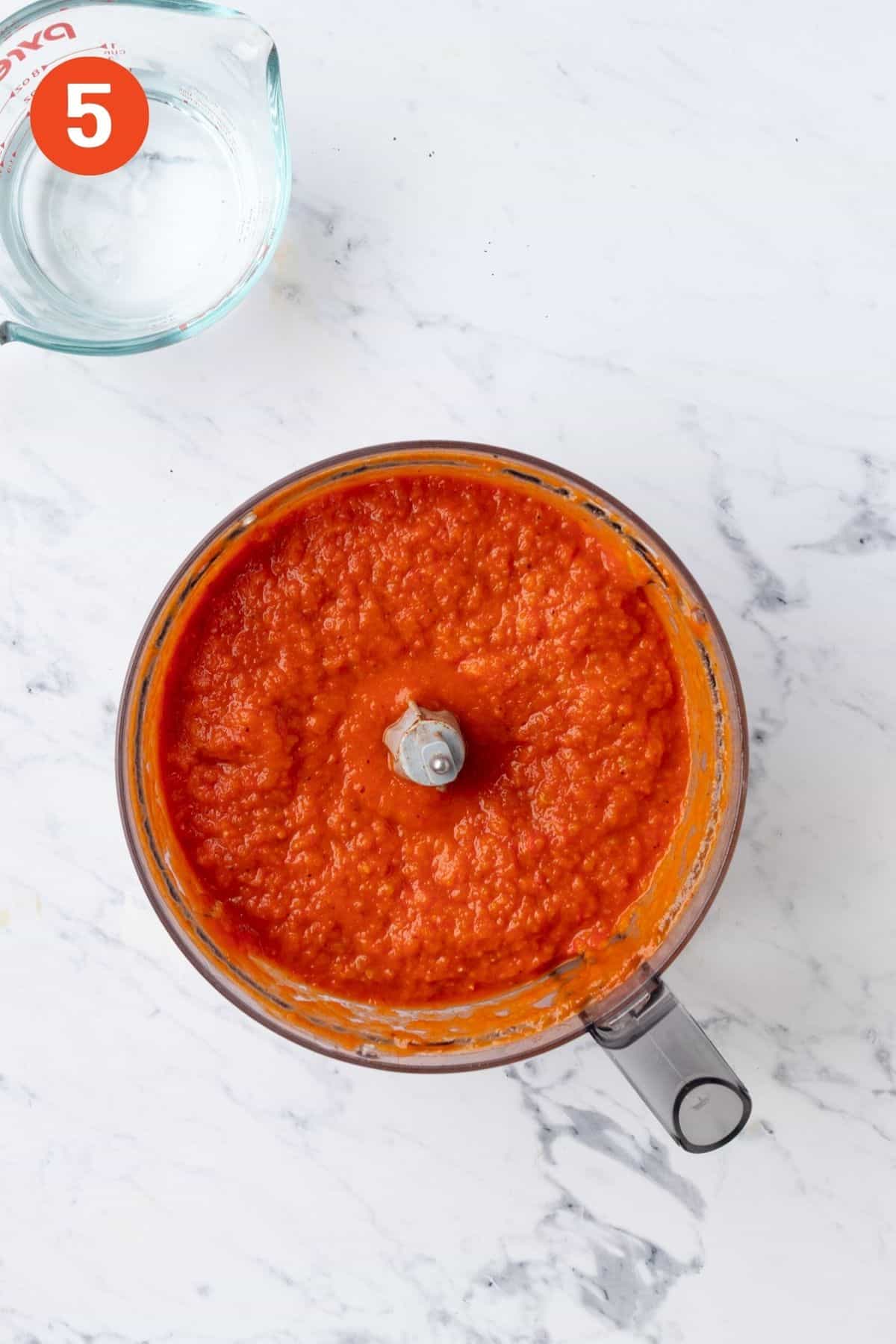
Step 5: Adjust the Consistency. If the soup feels too thick, blend in cold water one tablespoon at a time until you like the consistency. I added about 4-8 tablespoons during my testing. At this point, you can press it through a fine mesh sieve for a smoother consistency. You can skip straining if you prefer a little texture (this is my preference).
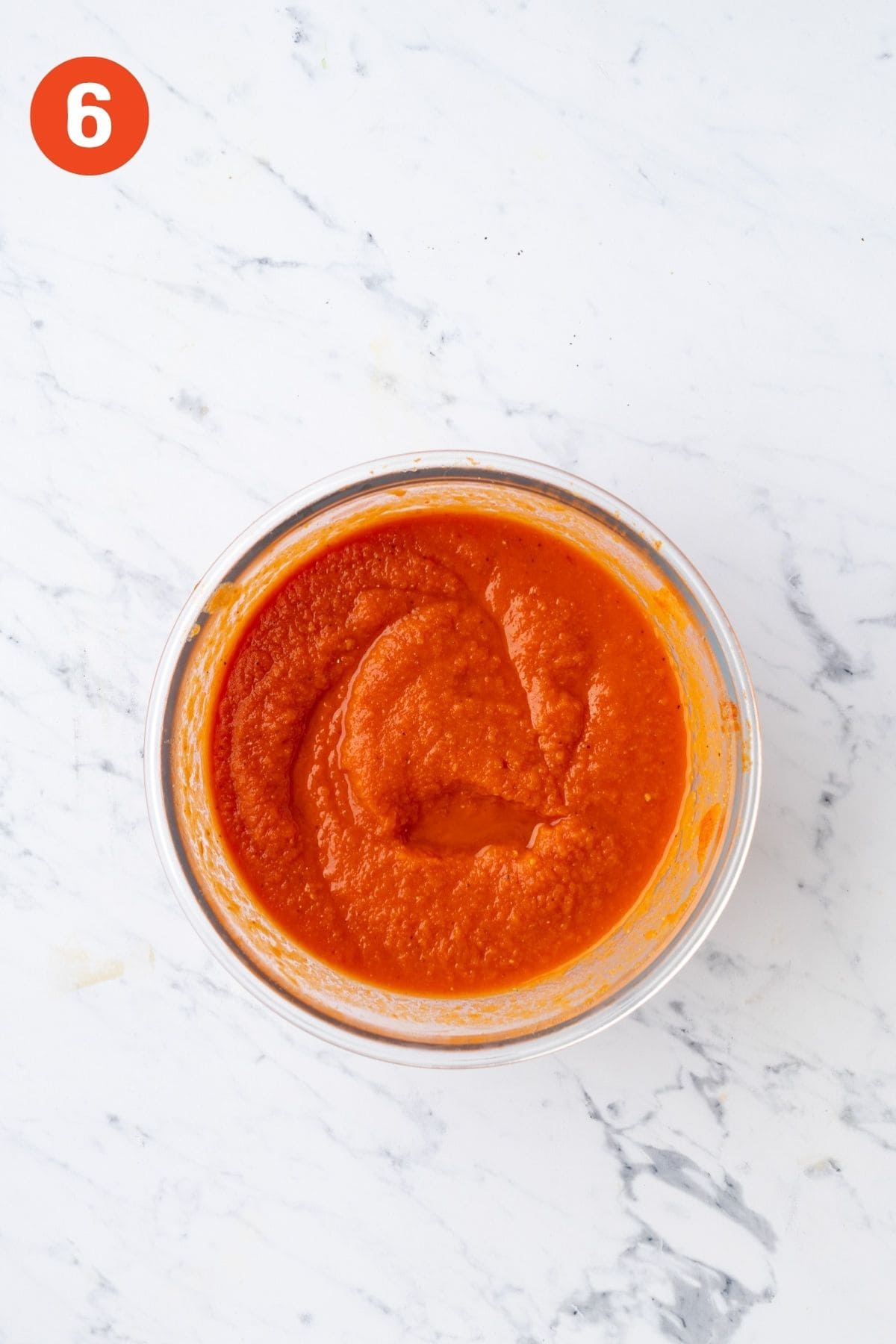
Step 6: Chill. Cover the soup and refrigerate for at least 2 hours and up to 24 hours. When ready to serve, taste the soup and adjust the salt and pepper as well as the vinegar and cumin, since chilling can change how the soup's flavor and even mute it. Serve cold, topped with your favorite garnishes. Making croutons from cornbread adds a flavorful and crunchy topping.
Lyn's Top Tips
- Watch for doneness, not just the clock: Ovens vary, so check that the carrots are truly fork-tender and the tomatoes are blistered before pulling the pan, even if that means a few extra minutes.
- Don't rush the cooling step: Blending hot vegetables can make the soup separate or turn out thin. Give them the full cooling time before moving on.
- Season again after chilling: Cold dulls flavor, so always taste the soup right before serving and add more vinegar, salt, or pepper as needed. I use this same method for flavoring this cold melon soup.
- Blender vs. food processor: A food processor gives the soup more texture. If you use one and want it smoother, finish it off with an immersion blender.
- Storage: This soup keeps in the fridge for 3-4 days, but I like to make it a day ahead of serving for the best flavor. I don't recommend freezing this soup. The texture of the raw cucumber and roasted vegetables changes once thawed, and it won't blend back to smooth.
Soup-er Toppings & Serving Suggestions
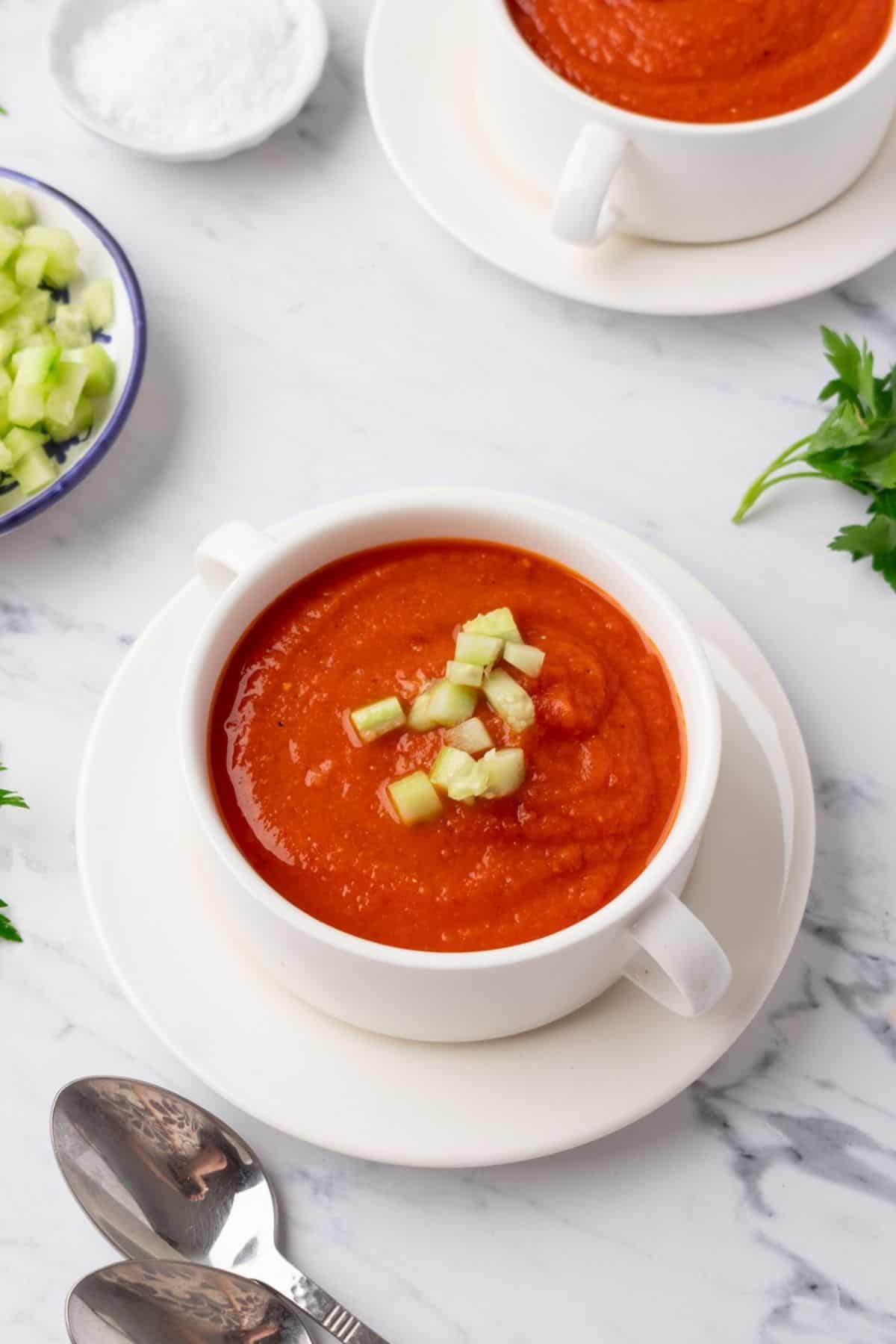
Since this soup needs at least 2 hours to chill, it's a great one to make ahead for a busy week or a weekend lunch with company. Ladle it into bowls and top with a drizzle of olive oil, flaky sea salt, and any of the toppings below.
- Add more toppings like a sprinkle of red pepper flakes, croutons, or diced cucumber and bell pepper on top of each bowl.
- Pair it with a tomato ricotta toast for a light lunch that leans into the same fresh, summery flavors.
- Serve it alongside a chicken club sandwich for a heartier, complete dinner.
Cold Tomato Soup Recipe FAQs
No, but they're closely related. Gazpacho is traditionally a raw, no-cook cold tomato soup from Spain that's also blended. This version roasts the vegetables first, which gives it a deeper, sweeter flavor than a classic raw gazpacho.
No, I don't recommend it. Fresh, ripe tomatoes are best here since roasting is part of what builds the flavor. Canned tomatoes won't roast the same way and will make the soup taste more one-note.
The roasting step is what makes this recipe different from a typical raw gazpacho, so I don't recommend skipping it. If you're short on time, roast the vegetables a day ahead and blend the soup later.
Yes, and I actually recommend it. The soup can be made up to a day ahead of serving, and the flavor gets better as it sits in the fridge.
Cold temperatures dull flavor, so a soup that tasted well-seasoned warm can taste flat once chilled. Always taste and adjust the salt, pepper, and vinegar right before serving.
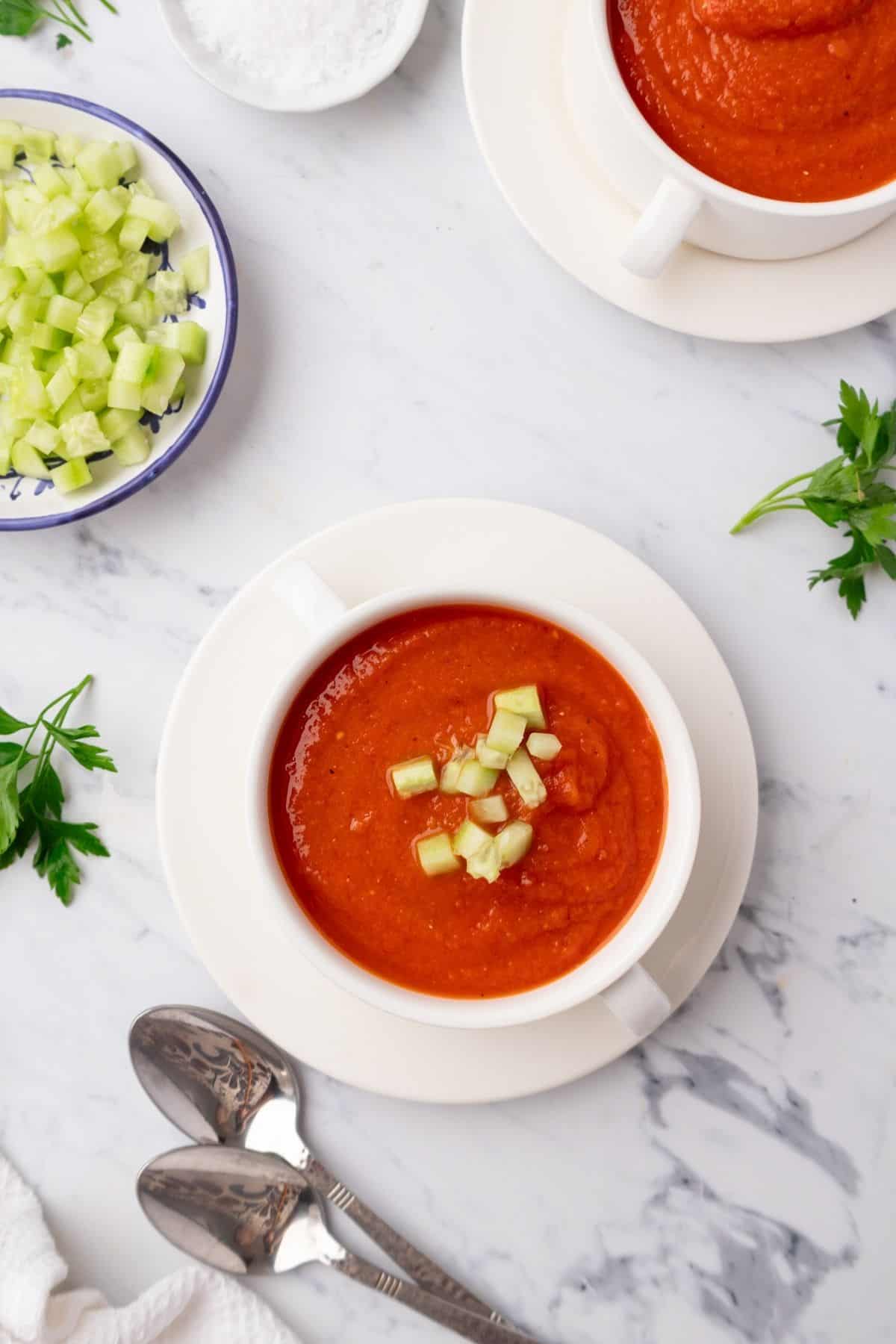




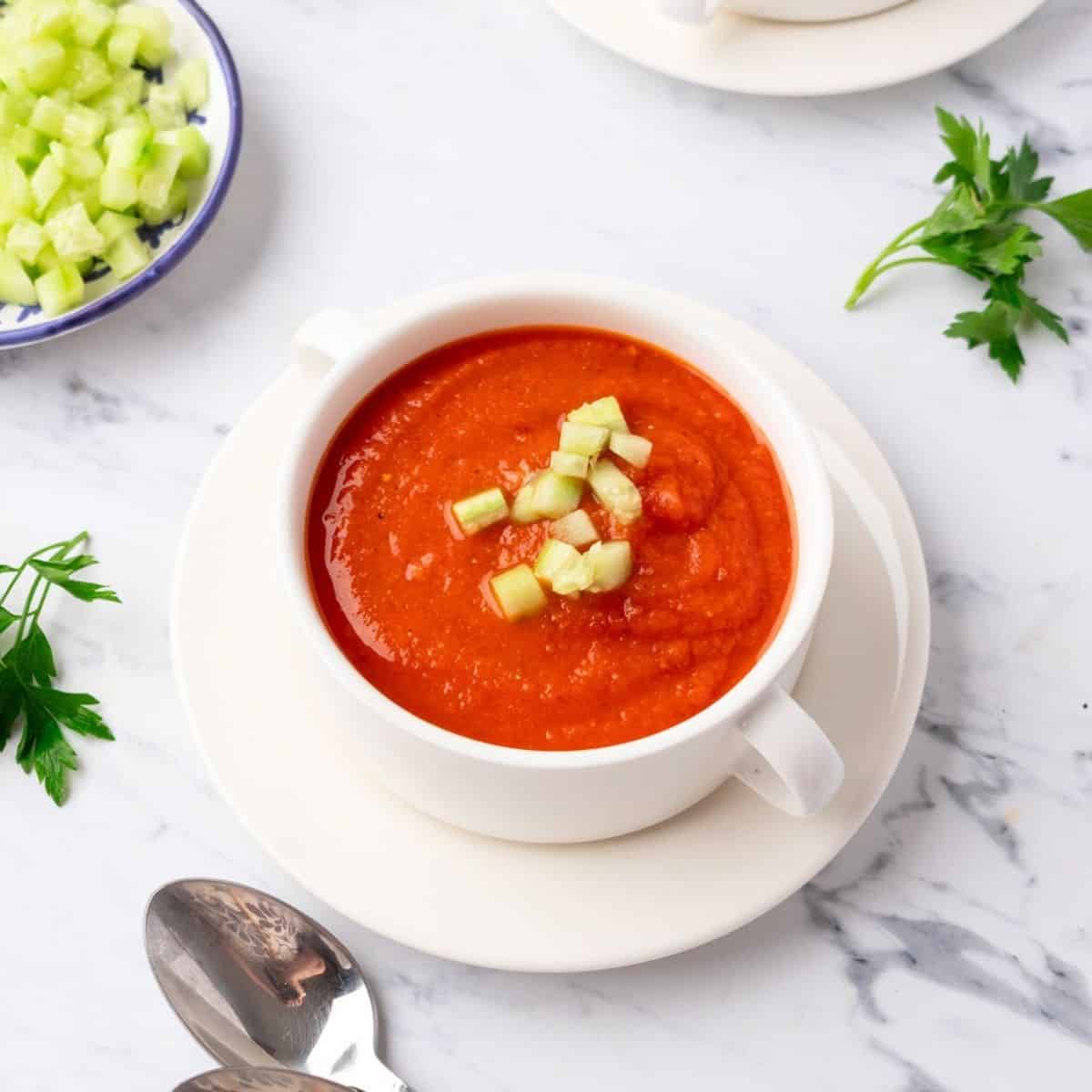
Cold Tomato Soup (Roasted Tomato Gazpacho)
Equipment
- Blender Food Processor, or Immersion Blender
Ingredients
Tomatoes and Peppers:
- 2 lbs high-quality Roma tomatoes quartered (or cherry tomatoes)
- 2 lare carrots peeled and chopped
- 1 sweet red bell pepper seeded and quartered
- 1 cup roughly chopped onion
- 3 cloves garlic trimmed and peeled
- 2 tablespoons olive oil or avocado oil
- 1 teaspoon salt
- ½ teaspoon black pepper
Soup:
- 2 cups peeled and chopped cucumber
- 2 tablespoons extra virgin olive oil
- 1 ½ tablespoons red wine vinegar
- ½ teaspoon ground cumin
- 1-6 tablespoons cold water optional and as needed
- Salt and pepper to taste
Optional Toppings:
- Extra virgin olive oil
- Flaky sea salt
- Red pepper flakes
- Croutons
- Diced cucumber or bell pepper
Instructions
- Preheat the oven to 400°F and grab 2 large rimmed baking sheets. Line them with parchment paper for easier cleanup.
- Add the tomatoes, carrots, red bell pepper, onion, and garlic cloves to a large mixing bowl. Drizzle with the oil and season with the salt and black pepper.
- Spread the vegetables on the prepared baking pan and roast for 45-50 minutes, stirring the vegetables halfway through, or until the carrots are fork-tender and the tomatoes are blistered. Remove from the oven and cool at room temperature for 1-2 hours until cool to the touch (or cool in the refrigerator for about an hour).
- Add the cooled vegetables, cucumber, olive oil, red wine vinegar, and ground cumin to a high-speed blender or food processor. Blend for 1-2 minutes or until smooth.
- If the soup is too thick for your liking, blend in water by the tablespoon until your desired consistency.
- For an ultra-smooth soup, press the mixture through a fine mesh sieve. Cover the soup and refrigerate for at least 2 hours and up to 24 hours.
- Before serving, season the soup to taste with salt and pepper. Enjoy cold, topped with your favorite toppings.
Recipe Tips
- Straining is optional: It yields a silkier soup but fewer servings. I like a little texture, so I usually skip this step.
- Season after chilling: Taste the soup again once it's cold, since the seasoning can change. Add more vinegar, salt, or pepper as needed.
- Blender vs. food processor: A food processor doesn't blend the soup as well. If using one, an immersion blender can smooth it out afterward.